





Every Indian kitchen has a story and at the heart of that story is a small steel box filled with masala powders. Open it, and there’s turmeric turning golden in hot oil, cumin releasing that nutty warmth, and garam masala that somehow makes every dal taste like home. But with so many options on the shelf, a common question comes up: which spice powders are actually worth buying for everyday cooking?
This guide breaks it down simply which masala powders to keep in your kitchen, what each one does, and how to make sure you’re getting the real, pure stuff.
1. Turmeric Powder (Haldi) — The Daily Staple
If there’s one powdered spice that goes into almost every Indian dish, it’s turmeric. Dal, sabzi, curries, marinades, even milk haldi is everywhere. What makes it valuable isn’t just colour. Turmeric carries a deep, earthy warmth and is widely trusted in Ayurvedic traditions for its natural properties. When you cook with a good-quality turmeric powder, you’ll notice the difference immediately it’s more vibrant, the aroma is fuller, and a little goes a long way.
Key tip: Low-quality haldi is often cut with starch or synthetic colour. Always buy from a brand that sources directly from growing regions and processes without additives.
2. Red Chilli Powder (Lal Mirch) — Heat & Colour Together
Red chilli powder is what gives Indian food its fire. But not all chilli powders are the same. The variety used, how it’s dried, and how finely it’s ground all affect both the heat level and the colour of your dish. For everyday cooking, you want something that balances heat with a deep, natural red hue. Kashmiri chilli powder, for example, is milder and gives a rich colour without overpowering spice great for gravies and marinades. Regular lal mirch brings sharper heat for curries and stir-fries.
Using fresh, unadulterated chilli powder means your curries look vibrant without needing any artificial colour.
3. Coriander Powder (Dhaniya) — The Flavour Foundation
Coriander powder is one of those spice powders that quietly does the heavy lifting. It adds a mild citrusy warmth and acts as a base flavour in countless Indian recipes from rajma to chole to everyday vegetable curries. Freshly ground dhaniya powder has a noticeably different aroma compared to something that’s been sitting on a shelf for months. If your coriander powder has gone dull and flat, it’s time to replace it.
4. Garam Masala — The Finishing Spice Mix Powder
Garam masala is not a cooking base it’s a finishing spice mix powder added near the end of cooking to layer in depth and warmth. A pinch over biryani, stirred into a butter paneer, or dusted over kebabs just before serving. What separates a good garam masala from a mediocre one is the blend. Cardamom, cloves, cinnamon, black pepper, cumin the proportion of each matters enormously. Mass-produced blends often cut corners on the more expensive ingredients. A freshly made, well-balanced garam masala should smell almost perfume-like when you open the packet.
5. Cumin Powder (Jeera) — Earthy & Versatile
Cumin powder is indispensable in Indian cooking. Raita, chole, dal tadka, chaat jeera powder appears across the board. It adds a warm, slightly bitter earthiness that balances richer flavours. It also pairs naturally with coriander powder, which is why dhaniya-jeera (coriander-cumin) combination is a staple in most spice racks.
6. Chaat Masala — The Everyday Sprinkle
If your family loves chaat, fruit salad, raita, or even just fresh-cut fruit with a bit of kick chaat masala is non-negotiable. It’s a tangy, salty, complex blend that transforms simple snacks in seconds. A good chaat masala has amchur (mango powder), black salt, cumin, and several other spice products working together. It should taste simultaneously tangy, salty, and spiced not just sour.
7. Amchur Powder — Natural Sourness Without Lemon
Amchur (dried mango powder) is your best friend when you want to add tartness without adding moisture to a dish. Aloo tikki filling, dry sabzis, marinades for tandoori items amchur does what lemon can’t. It also works brilliantly in chhole and samosa fillings, adding that signature tang without making the dish watery.
8. Indian Pickle Masala (Achar Masala) — A Specialty Worth Having
Beyond everyday cooking, Indian pickle masala deserves a mention for those who make seasonal achars at home. A ready-to-use achar masala blend with mustard seeds, fennel, fenugreek, chilli, and more takes the guesswork out of traditional pickling. If you’ve ever made aam ka achaar or mixed vegetable pickle at home, you know how important the balance of masala is. A well-blended pickle masala ensures consistent flavour every time.
How to Buy Spice Powder Online Without Getting Burned
More families are now choosing to buy spice powder online for the convenience and variety but quality varies massively. Here’s what to look for:
- No artificial colour or synthetic dyes listed in ingredients
- Clear sourcing information where the raw material comes from
- Fresh packaging with a recent manufacturing date
- No added preservatives or anti-caking agents
- Transparent powdered spices price without hidden ‘quality’ fees
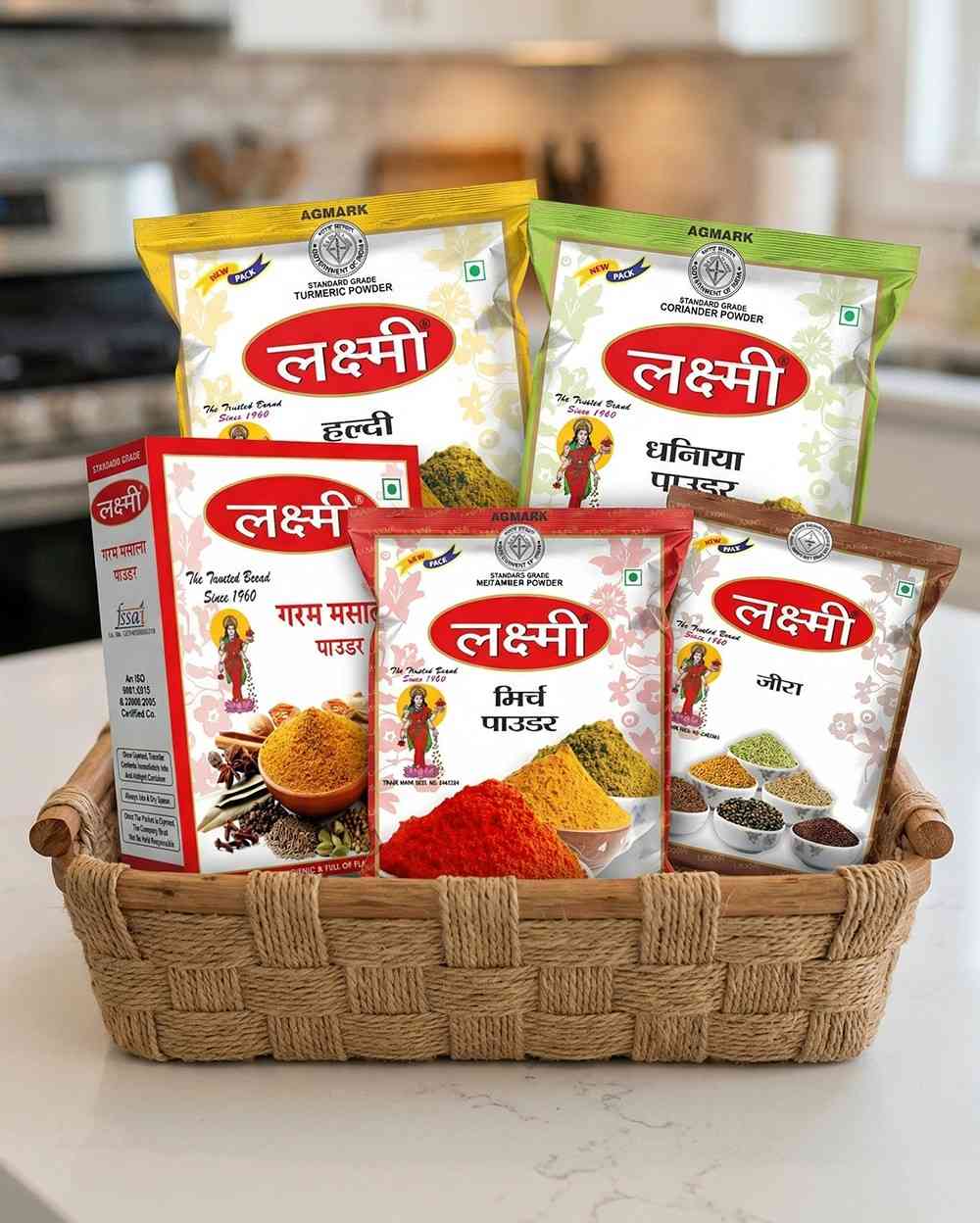
At Laxmi Masale all 34+ spice products are made from natural ingredients, packed fresh, and dispatched within 24 hours. Prices start at ₹55, making it easy to stock your kitchen without compromise.
Frequently Asked Questions
Which spice powder is best for daily Indian cooking?
The most essential spice powders for daily Indian cooking are turmeric (haldi), red chilli (lal mirch), coriander (dhaniya), cumin (jeera), and garam masala. These five form the foundation of most Indian curries, dals, and vegetable dishes. Chaat masala and amchur powder are great additions for snacks and souring agents.
Can I buy spice powder online with home delivery in India?
Yes. Several trusted brands now offer pure Indian masala powder with pan-India delivery. Laxmi Masale, for example, offers 34+ spice powders online starting at ₹55 with dispatch within 24 hours of placing your order.
What is the difference between spice powder and spice mix powder?
Spice powder refers to a single ground spicelike turmeric powder or coriander powder made from one ingredient. A spice mix powder or masala blend is a combination of several spices ground and mixed together like garam masala, chaat masala, or achar masala. Both are essential in Indian cooking but serve different roles.
How do I know if spice powder is pure and unadulterated?
Check the ingredients label pure spice powder should list only the spice itself, with no added starch, colour, or preservatives. A bright, natural aroma when you open the pack is a good sign of freshness. Buy from brands that disclose sourcing and process without artificial additives.
What is powdered spices price in India?
Powdered spices prices in India vary based on the type and brand. Basic spice powders like turmeric and coriander typically start around ₹50–80 for 100g. Premium or specialty masala blends may range from ₹100–200 for 100g. At Laxmi Masale, spice powders start at ₹55 with no compromise on purity.
What is Indian pickle masala and how is it used?
Indian pickle masala (achar masala) is a pre-mixed blend of spices used to make traditional Indian pickles (achar). It typically contains mustard seeds, fennel, fenugreek, chilli powder, and other whole and ground spices. A good achar masala ensures you get the right balance of flavour, heat, and preservation for your homemade pickles.
How long do spice powders last?
Most ground masala powders retain their best flavour for 6–12 months when stored in airtight containers away from heat and moisture. After this period, they may still be safe to use but will lose potency. Buying in smaller quantities more frequently rather than bulk stockpiling ensures your spices always cook at their best.
Shop Pure Spice Powders Delivered Fresh to Your Door
Getting the right masala powder isn’t just about convenience it’s about the flavour and quality of every meal your family eats. The difference between a dish that’s good and one that’s unforgettable often comes down to whether the spices are fresh and real.
Laxmi Masale sources from established spice-growing regions across India, processes in small batches, and packs without artificial colour or preservatives. What arrives at your kitchen should still carry the aroma of freshly ground spice because that is when it cooks best.