






Indian pickling is one of the oldest food traditions on the subcontinent, documented in ancient texts and passed down through family kitchens for thousands of years. The word achar derived from Persian has come to describe a whole universe of preserved foods, each region giving it a distinct character. But across every variation, the spine of a great pickle has always been its spice blend: that specific combination of seeds, powders, and aromatics that makes an Indian masala pickle unlike anything else in the world.
This piece explores the traditional methods, the science behind them, and why the composition of your pickle masala is ultimately the most important decision you make when preparing achar.
A Brief History of Indian Achar
Archaeological evidence suggests that preservation using salt and oil was practised in the Indus Valley Civilisation as far back as 2400 BCE. The Arthashastra, written around 300 BCE, mentions the preservation of meat and vegetables in salt brine a method not unlike modern pickling.
By the medieval period, achar had become a staple of Indian households across all social strata. Travellers carried small clay pots of pickle on long journeys; army kitchens prepared it in large batches to accompany rice and flatbreads; royal kitchens developed elaborate masala recipes that were closely guarded.
What changed over centuries was not the fundamental method salt, oil, and spice remain the three pillars but the refinement of the spice blends. Every region developed its own formula, its own dominant aromatics, its own balance of heat, tang, and depth. What we recognise today as indian pickle masala is the accumulated wisdom of hundreds of years of kitchen experimentation.
“The spice blend is not flavouring it is architecture. Remove one element and the whole structure shifts. That is why achar masala is treated with such respect in traditional kitchens.”
The Three Pillars: Salt, Oil, and Spice
Traditional Indian pickling does not rely on vinegar the way Western methods do. Instead, it works through three synergistic elements that have been understood intuitively by Indian cooks for centuries, and are now confirmed by food science.
Salt
Rock salt preferably coarse and minimally processed draws moisture out of the vegetables through osmosis, reducing the water activity that bacteria need to survive. It also seasons the pickle deeply, penetrating the cell walls of the fruit or vegetable over time. Using the right amount is essential: too little and the pickle spoils; too much and it becomes inedibly harsh.
Oil
Mustard oil is the traditional choice, particularly in North and East Indian pickling. It is heated until just smoking, then cooled completely before being poured over the pickle. This process neutralises the bitter compounds in raw mustard oil while preserving its natural antimicrobial properties allyl isothiocyanate, the same compound responsible for its pungency, inhibits bacterial and fungal growth. The oil also forms a seal over the vegetables, limiting oxygen exposure and further extending shelf life.
Pickle Masala
The spice blend the pickle masala does far more than flavour the achar. Each spice in a traditional blend carries functional properties: antimicrobial, antifungal, antioxidant, or preservative. Fenugreek seeds slow spoilage. Turmeric is antimicrobial. Nigella seeds contain thymoquinone, a natural preservative. When these spices are combined in correct proportions, they create a preservation environment that allows good Indian achar to last for a full year or more at room temperature.
Key Spices in a Traditional Pickle Masala
A well-formulated achar masala blend typically contains six to eight spices, each contributing a specific role. Understanding them helps you appreciate why proportion matters so much and why an expertly blended indian pickle masala produces noticeably better results than a random mix of spice powders.

Mustard Seeds (Rai / Sarson)
The backbone of most North Indian achar blends. Adds sharp pungency and natural preservation via isothiocyanates. Often used both whole and ground.
Fenugreek (Methi Dana)
Gives achar its signature bittersweet depth. Acts as a natural thickener and contributes mucilage that helps bind the masala to the vegetables.
Fennel Seeds (Saunf)
Brings a cooling, slightly sweet note that balances the heat. Essential in Rajasthani and Punjabi achar for aromatic complexity.
Turmeric (Haldi)
Broad-spectrum antimicrobial properties and the iconic golden-orange colour of traditional Indian achar. Curcumin also acts as an antioxidant, slowing rancidity.
Red Chilli Powder
Sets the heat level and contributes capsaicin, which has mild antimicrobial effects. Also gives the oil its characteristic deep red colour over time.
Nigella Seeds (Kalonji)
Earthy, slightly onion-like flavour that deepens beautifully as the pickle matures. Contains thymoquinone one of the more potent natural preservatives in any spice.
Asafoetida (Hing)
Used in small quantities to add umami depth and aid digestion. Especially common in pickles intended for everyday consumption with meals.
Dry Mango Powder (Amchur)
Adds tartness without adding moisture, complementing the sourness of the base vegetable. Particularly useful in pickles where the main ingredient is low in natural acidity.
Regional Variations Across India
One of the most remarkable things about Indian achar culture is how radically the same technique can differ across regions. The pickling method is consistent salt, oil, masala, sun but the spice emphasis, base ingredients, and oil type shift dramatically from state to state.
| Region | Signature Style | Dominant Spices in Masala | Common Pickle Base |
| Rajasthan | Very hot, oil-heavy, long shelf life | Red chilli, mustard, fennel, fenugreek | Raw mango, ker (desert berry), sangri |
| Punjab | Tangy, bold, whole-spice forward | Ajwain, nigella, fennel, turmeric | Mango, cauliflower, carrot, turnip |
| Gujarat | Mildly sweet, spiced oil base | Fenugreek, turmeric, mustard, hing | Lime, raw mango, chilli, tendli |
| Andhra Pradesh | Fiery, sesame oil based | Red chilli, mustard, fenugreek, curry leaf | Green chilli, gongura leaf, raw mango |
| Kerala | Coconut oil base, spiced lightly | Ginger, green chilli, vinegar, curry leaf | Lime, fish, gooseberry (amla) |
| Bengal | Mustard-forward, tangy | Panch phoron, turmeric, mustard paste | Raw mango, olive (jalpai), green tomato |
This regional diversity is what makes the study of Indian achar so rich and it also explains why a truly good masala pickle cannot be made with a generic spice blend. The proportions are specific, the dominant notes are intentional, and the balance between heat, sourness, and aromatics is what distinguishes a memorable achar from a merely adequate one.
Why the Quality of Pickle Masala Matters Most
Every step in the process matters, but experienced pickle makers will tell you that the spice blend determines 70% of the final flavour. You can have perfect raw mangoes and the best mustard oil, but a poorly balanced or stale pickle masala will produce a flat, bitter, or uninteresting result.
The challenge with mixing your own blend from scratch is proportion. Too much fenugreek and the bitterness overpowers everything. Too little mustard and the pickle lacks its characteristic pungency. Nigella seeds need to be used with restraint their earthy note becomes acrid in excess. Getting this balance right requires either years of experience or a reliable pre-blended achar masala that has already done the calibration for you.
This is where a trusted masala pickle spice blend makes a genuine difference in home cooking. When the ratios are worked out and the ingredients are fresh, the masala does its job without requiring the cook to have decades of pickle-making experience behind them.
“A family’s achar masala recipe was once their most carefully guarded kitchen secret. Today, the closest equivalent is a brand whose proportions you can trust one that uses clean, natural ingredients and nothing artificial.”
When choosing a ready-made blend, the indicators of quality are simple: the colour should be vibrant and consistent, not dull or faded. The aroma when you open the packet should be layered pungent from mustard, warm from chilli, slightly sweet from fennel, earthy from fenugreek. If it smells one-dimensional, the spices are likely stale or the blend is poorly proportioned. And the ingredient list should be short: spices, salt, and nothing else.
Ready to Make Achar the Traditional Way?
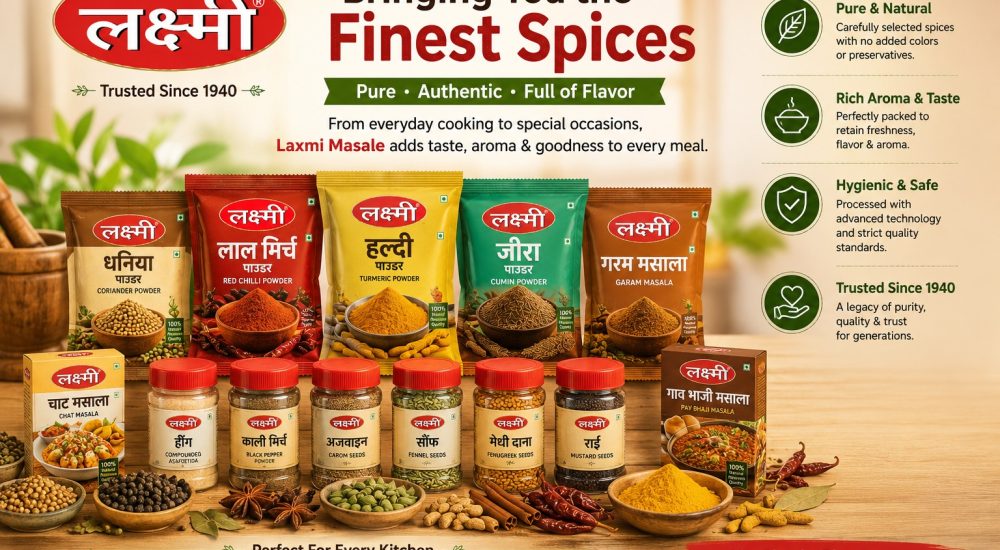
Laxmi Masale’s Achar Masala Powder is made from pure, natural spices no artificial colour, no preservatives, no fillers. The proportions have been carefully balanced so your homemade pickle comes out right every time.
Preserving More Than Food Preserving Tradition
There is something that goes beyond food science in the act of making achar at home. The jar on the windowsill, the smell of mustard oil and spice on your hands, the patience of waiting a week before tasting these are sensory memories that connect people to kitchens they grew up in, to grandmothers who never measured anything and still produced perfect pickle every season.
Traditional Indian pickling is a living practice. It is passed down not through written recipes but through observation, repetition, and taste. The methods described in this piece are broadly consistent with how achar has been made across North India for generations but every family adds its own small variations, its own adjustments, its own remembered notes.
What remains constant is the underlying logic: salt draws out moisture, oil seals against air and bacteria, and a well-made pickle masala does everything else. The tradition is worth preserving, and it is genuinely more accessible than most people imagine. A good spice blend, clean ingredients, patience, and sunlight are all you need.
Frequently Asked Questions
What exactly is pickle masala and what does it contain?
Pickle masala (also called achar masala) is a blended spice mix specifically formulated for making Indian pickles. A traditional blend typically contains mustard seeds, fenugreek seeds, fennel seeds, red chilli powder, turmeric, nigella seeds (kalonji), asafoetida (hing), and sometimes dry mango powder (amchur) or carom seeds (ajwain). Each spice contributes both flavour and a natural preservation function making the blend essential to both the taste and the shelf life of achar.
Can I use readymade indian pickle masala instead of grinding spices at home?
Yes — and for most home cooks, a high-quality readymade achar masala powder actually produces more consistent results than mixing from scratch. The reason is proportion: getting the balance of mustard, fenugreek, fennel, and chilli exactly right requires experience and taste calibration. A well-formulated readymade blend from a trusted brand like Laxmi Masale removes this guesswork while still using natural, fresh spices. The key is choosing one that has no artificial additives or fillers just clean spices in correct ratios.
Why is mustard oil used in traditional masala pickle and can I substitute it?
Mustard oil is the traditional choice for North Indian masala pickle for three reasons: its natural antimicrobial compounds (allyl isothiocyanate) help preserve the achar; its pungency adds a distinctive flavour note that complements the spice blend; and it remains stable at room temperature for extended periods without turning rancid. You can substitute sesame oil (used in South Indian pickles) or refined groundnut oil, but the flavour profile will change noticeably. For traditional Rajasthani or Punjabi achar, mustard oil is difficult to substitute without losing authenticity.
How long does homemade masala pickle last and how should I store it?
A properly made traditional Indian masala pickle with sufficient salt, well-seasoned mustard oil, and a good pickle masala can last 10–12 months at room temperature and up to two years if refrigerated. The key storage rules are: always use a completely dry spoon when serving (moisture causes spoilage), keep the oil level above the vegetables at all times by topping up if needed, store in a clean glass or ceramic jar (never metal), and keep the jar away from direct light once it has finished maturing.
What is the difference between achar masala and regular garam masala?
Garam masala is a warming spice blend used to finish cooked dishes it contains spices like cardamom, cinnamon, cloves, and black pepper that are heat-volatile and meant to be added at the end of cooking. Pickle masala (achar masala) is a preservation-focused spice blend: it contains mustard, fenugreek, nigella, turmeric, and chilli in proportions designed to work in a raw, oil-based, long-maturing environment. Using garam masala to make achar will not preserve the pickle properly and will produce a completely different (and generally unpleasant) flavour. The two blends are not interchangeable.
Which vegetables and fruits work best with Indian pickle masala?
Raw mango (kachchi kairi) is the most classic base for North Indian achar, particularly because its high acidity and firm texture hold up through the pickling process beautifully. Other excellent options include lime (nimbu), mixed vegetables (gajar-gobhi-shalgam), green chilli, garlic, amla (Indian gooseberry), raw papaya, and tendli. Watery vegetables like cucumber or tomato are less suitable for traditional long-shelf-life pickling because their high moisture content makes preservation more difficult though quick-pickled versions are common across India.